Blog

  • Latest Features in Hearing Aids for Seniors (2026): Technology & Smart Connectivity

    Latest Features in Hearing Aids for Seniors (2026): Technology & Smart Connectivity


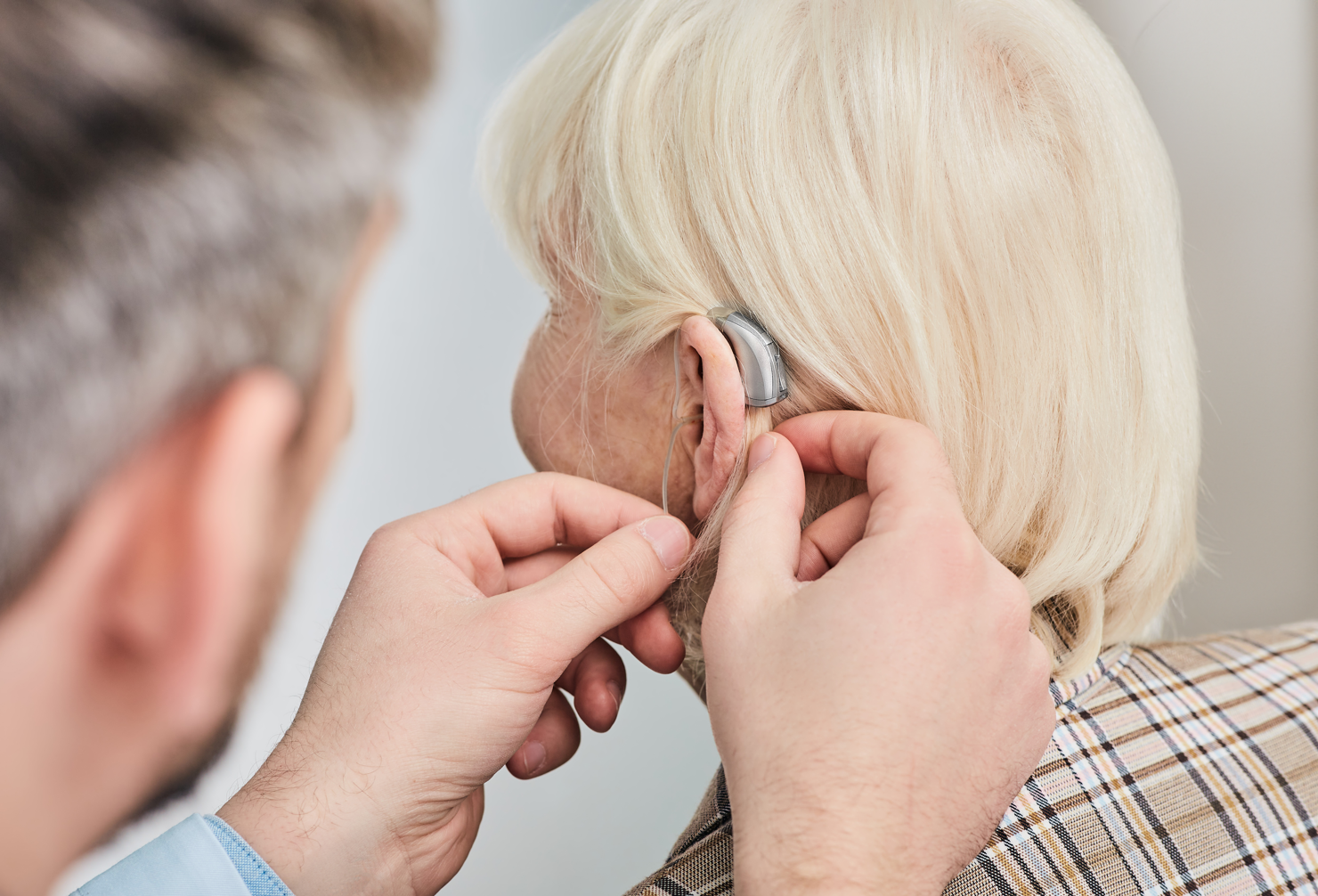
    Hearing aid technology has advanced rapidly, making life easier and clearer for senior citizens. Modern 2026 devices offer AI-powered clarity, Bluetooth calling, fall detection, noise suppression, and easy rechargeability, reducing the challenges older adults face with traditional hearing aids.

    This guide explains the latest features designed specifically for seniors, the best brands, model comparison, and what to look for when buying hearing aids in 2026.


    Why Seniors Need Advanced Hearing Aid Features

    As people age, hearing loss often worsens due to changes in the inner ear. Seniors also struggle with:

    • Distinguishing speech in crowds
    • Handling small battery cells
    • Adjusting volume or settings
    • Difficulty understanding high-frequency sounds

    2026 technology solves these challenges with smart automation, AI processing, and senior-friendly controls.


    Latest Hearing Aid Features for Seniors

    Here are the most important upgrades seniors should consider:


    1. AI-Powered Speech Enhancement

    AI recognizes voices and enhances speech while reducing background noise.
    Best for: markets, family gatherings, outdoors.


    2. Rechargeable Lithium-Ion Batteries

    • No battery changing
    • 24–36 hours on one charge
    • Magnetic chargers for easy handling

    Perfect for seniors with hand-movement issues.


    3. Bluetooth Calling & Streaming

    With brands like Phonak, Signia and Oticon, seniors can:

    • Take calls hands-free
    • Stream TV audio directly to hearing aids
    • Connect to YouTube, WhatsApp, and more

    4. Automatic Noise Adjustment

    The hearing aid automatically adjusts when a senior moves from:

    • Home → Outdoor
    • Quiet → Noisy area
    • Conversation → TV watching

    Zero manual effort.


    5. Fall Detection & Emergency Alerts (New in 2026)

    Some advanced hearing aids detect sudden falls and notify family members via smartphone apps.


    6. Directional Microphones

    Focus only on the person speaking → clearer conversations in restaurants and family functions.


    7. TeleCare Remote Support

    Audiologists can adjust settings over video call — no clinic visit needed.


    8. Bigger Buttons & Senior-Friendly Controls

    Large push buttons for volume + program adjustments.


    9. Water Resistance (IP68)

    Sweat-proof, dust-proof, and rain-resistant models — essential for seniors who go outdoors daily.


    10. Tinnitus Masking Sounds

    Helps seniors with ringing or buzzing in the ears.


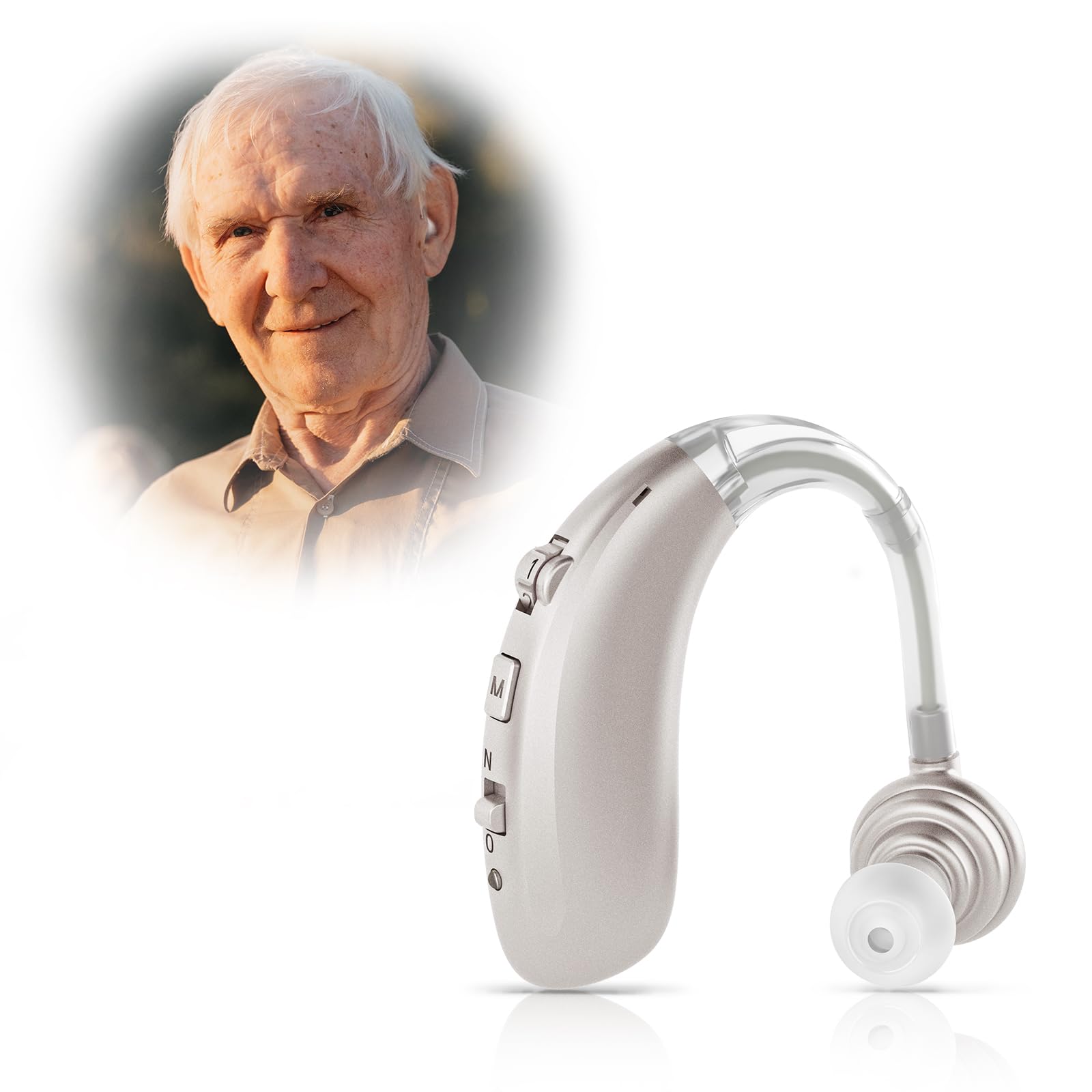
    Best Hearing Aid Brands for Seniors
    Image

    Top Recommended Brands (Elder-Friendly)

    • Signia – Best AI speech clarity
    • Phonak – Best Bluetooth calling
    • Widex – Best natural sound
    • ReSound – Best app support
    • Oticon – Best brain-hearing technology

    Hearing Aid Feature Comparison Table

    FeatureImportance for SeniorsAvailable In
    AI Noise Reduction⭐⭐⭐⭐⭐Signia, Phonak, Oticon
    Rechargeable Battery⭐⭐⭐⭐⭐Most premium models
    Bluetooth Calling⭐⭐⭐⭐⭐Phonak, Signia
    TeleCare Support⭐⭐⭐⭐Signia, ReSound
    Fall Detection⭐⭐⭐⭐Select 2026 models
    Water Resistance⭐⭐⭐⭐RIC & BTE models
    Tinnitus Therapy⭐⭐⭐Widex, Oticon

    Best Hearing Aid Models for Seniors

    • Signia Pure Charge&Go IX RIC
    • Phonak Lumity Life RIC
    • Oticon Real 1 RIC
    • Widex Moment Sheer RIC
    • ReSound Omnia RIC

    All offer excellent clarity + rechargeability + noise reduction.


    Buying Guide: How Seniors Should Choose a Hearing Aid

    Must-Have Features

    • Rechargeable
    • Strong noise reduction
    • Bluetooth calling
    • Water resistance
    • Easy push-button control
    • Larger domes for comfort

    Optional Features

    • Fall detection
    • Remote fine-tuning
    • TV audio streaming

    Always Avoid

    Cheap amplifiers
    Non-programmable aids
    Devices without warranty


    FAQs

    1. Which hearing aid is best for seniors in 2026?

    RIC rechargeable models from Signia, Phonak, and Oticon are the best.

    2. Do seniors need Bluetooth hearing aids?

    Yes — Bluetooth helps with clearer calls and TV streaming.

    3. Is rechargeability important for older adults?

    Absolutely. Seniors should avoid tiny disposable batteries.

    4. How long do hearing aids last?

    Good devices last 5–7 years with proper care.

    5. Are hearing aids water-resistant?

    Most 2026 models come with IP68 protection.

  • Rechargeable vs. Disposable Hearing Aids : Which Is Better for You? Cost Comparison

    Rechargeable vs. Disposable Hearing Aids : Which Is Better for You? Cost Comparison


    Hearing aids are essential for millions of people with hearing loss, but one key choice many buyers face is Rechargeable vs. Disposable devices. Each option has unique benefits and costs. This comprehensive guide breaks down key differences, cost comparison in India (2026), pros and cons, and important factors to help you choose the right model for your lifestyle.


    Key Differences: Rechargeable vs. Disposable Hearing Aids

    Before we compare cost and performance, let’s look at the basics.

    Rechargeable Hearing Aids

    Rechargeable hearing aids use built-in lithium-ion batteries that you charge daily — just like your smartphone. They often come with a compact charging dock.

    Popular Benefits:

    • No need for disposable batteries
    • Easy daily charging
    • Consistent power output
    • Eco-friendly

    Disposable Hearing Aids

    These use traditional zinc-air hearing aid batteries which require replacement every few days to weeks depending on usage.

    Popular Benefits:

    • Lower upfront cost
    • Easy battery swap anywhere
    • Works well for intermittent users

    Hearing Aid Cost Comparison (India)

    Costs vary significantly depending on brand, model, and technology. Below are approximations for common price ranges in India (2026).

    Feature / CostRechargeable Hearing AidsDisposable Hearing Aids
    Average Price Range₹35,000 – ₹3,00,000+₹20,000 – ₹2,50,000
    Battery Costs (Annual)₹0 (included)₹1,500 – ₹5,000+
    Convenience Level⭐⭐⭐⭐⭐⭐⭐⭐⭐
    Eco-FriendlinessExcellentModerate
    Best ForDaily users, tech loversOccasional, budget buyers

    💡 Note: Prices depend on brand and hearing loss level.


    Rechargeable vs. Disposable: Key Pros & Cons

    Rechargeable Hearing Aids

    Pros

    • No ongoing battery costs
    • Simple to use — charge overnight
    • Consistent performance
    • Better for people with dexterity issues

    Cons

    • Higher upfront cost
    • Power lasts ~16–30 hours per charge
    • Charging unit needed

    Disposable Hearing Aids

    Pros

    • Lower initial cost
    • Batteries available almost everywhere
    • No charging equipment needed

    Cons

    • Recurring battery cost
    • Changing small batteries can be hard
    • Power may drop between changes

    Which Is Better for You?

    Your best choice depends on lifestyle, budget, and hearing needs:

    Choose Rechargeable If:

    • You wear your hearing aids all day
    • You prefer convenience
    • You dislike changing small batteries
    • You value eco-friendly options

    Choose Disposable If:

    • You use hearing aids occasionally
    • You prefer lower upfront cost
    • You don’t mind battery replacements

    Real-World Cost Breakdown (3-Year View)

    Let’s compare a typical scenario:

    Expense CategoryRechargeableDisposable
    Device Price₹1,50,000₹1,20,000
    Batteries₹0₹3,000 × 3 years = ₹9,000
    Accessories₹2,500₹2,500
    Total 3-Year Cost₹1,52,500₹1,31,500

    Rechargeable costs slightly more upfront but removes ongoing battery replacement costs.


    Expert Buying Tips

    Always get a professional hearing test (audiogram) before buying.
    Choose brands with reliable warranties (e.g., 2–3 years).
    Check whether the rechargeable charger is included.
    Ask about telecare programming & software support.
    Trial period is a must — try at least 30 days.


    Rechargeable Hearing Aid Features to Look For

    • Quick-charge capability
    • Long battery life (24+ hours typical)
    • Portable charging case
    • Bluetooth connectivity
    • Smart app support

    Frequently Asked Questions (FAQs)

    1. Are rechargeable hearing aids worth the extra cost?

    Yes — especially for daily users, as they remove the hassle and expense of replacing batteries.

    2. How long do rechargeable hearing aid batteries last?

    Most modern lithium-ion rechargeable hearing aid batteries last 1–3 years before degradation begins.

    3. Can disposable hearing aids last as long?

    Yes — the device itself can last 5–7 years, but you’ll keep replacing batteries.

    4. Is one type better for seniors?

    Rechargeable models are often easier for seniors due to no battery swaps.

    5. Do rechargeable hearing aids work during power outages?

    They can work until the battery runs out; chargers may have backup battery options.

    6. Can I charge my hearing aids on the go?

    Yes — many come with portable charging cases similar to wireless earbuds.


    Summary — Rechargeable vs. Disposable

    CriteriaBest Option
    Ease of Use Rechargeable
    Low Upfront Cost Disposable
    Eco-Friendly Rechargeable
    Long-Term Value Rechargeable
    Occasional Use Disposable

    Both types serve distinct user needs. The best choice depends on your daily routine, budget, and hearing lifestyle.

  • How to Choose a Hearing Aid for Mild Hearing Loss: Complete Buyer’s Guide 2026

    How to Choose a Hearing Aid for Mild Hearing Loss: Complete Buyer’s Guide 2026


    Choosing the right hearing aid for mild hearing loss is much easier today thanks to advanced digital & AI-powered devices. In 2026, modern hearing aids offer clearer speech, noise reduction, Bluetooth streaming, invisible designs, and comfortable all-day wearability — perfect for people with early-stage hearing difficulties.

    Whether you’re considering models from Signia, Phonak, Widex, Resound or Oticon, this guide will help you select the perfect device tailored to your needs.


    What is Mild Hearing Loss?

    Mild hearing loss means you struggle to hear soft sounds, especially:

    • Conversations in noisy places
    • TV dialogues
    • Children’s voices
    • Whispering or distant speech
    • Background noise environments

    A good hearing aid can restore clarity without over-amplifying sound.


    How to Choose the Right Hearing Aid for Mild Hearing Loss

    Here are the most important factors to consider:

    1- Choose the Right Style

    For mild hearing loss, these styles work best:

    • RIC (Receiver-in-Canal) – Most comfortable, natural sound
    • ITC (In-the-Canal) – Small, discreet
    • CIC (Completely-in-Canal) – Almost invisible
    • Slim BTE – Lightweight & great for beginners

    2- Look for Key Features

    Essential features for mild hearing loss:

    • AI speech enhancement
    • Digital noise reduction
    • Wind noise control
    • Directional microphones
    • Feedback cancellation
    • Bluetooth connectivity
    • Rechargeable battery

    3- Choose Based on Lifestyle

    For Office Professionals

    • RIC with Bluetooth calling
    • AI noise filtering

    For Students

    • Rechargeable
    • Smartphone app control

    For Elderly Users

    • Simple controls
    • Auto-adjusting modes

    For Outdoor Users

    • Water-resistant (IP68)
    • Wind noise reduction

    4- Check Your Budget

    Price depends on brand & features.

    Average Price Range for Mild Loss Hearing Aids

    • Digital Basic Models: ₹18,000 – ₹35,000
    • Mid-Level Bluetooth Models: ₹35,000 – ₹80,000
    • Premium AI Hearing Aids: ₹80,000 – ₹2,50,000

    Comparison Table: Best Hearing Aids for Mild Hearing Loss

    BrandRecommended ModelBest ForFeaturesPrice Range (₹)
    SigniaSignia Silk IXInvisibilityAI clarity, instant fit45,000 – 1,20,000
    PhonakPhonak Lumity SlimProfessionalsBT calling, speech focus50,000 – 2,00,000
    WidexWidex Moment SheerMusic loversNatural PureSound45,000 – 2,00,000
    ResoundResound OmniaOutdoors360° directionality40,000 – 1,80,000
    OticonOticon RealClear speechBrainHearing tech55,000 – 2,20,000

    Where to Buy Hearing Aids for Mild Hearing Loss Near You

    You can purchase trusted devices at:

    • Authorized hearing aid clinics
    • ENT hospitals
    • Audiology centres
    • Brand-certified partners
    • Local hearing specialists

    Avoid buying from general e-commerce sites — tuning & fitting are essential.


    Tips Before You Buy

    • Get a hearing test (PTA)
    • Try different models during a trial
    • Ask for rechargeable options
    • Ensure 2–4 years warranty
    • Confirm service & after-care support

    FAQ: Choosing Hearing Aids for Mild Hearing Loss

    1. Do I really need a hearing aid for mild hearing loss?

    Yes — early amplification prevents hearing from deteriorating over time.

    2. Which style is best for mild hearing loss?

    RIC and ITC are the most popular due to comfort & clarity.

    3. Are AI hearing aids worth it for mild loss?

    Yes, because they improve speech clarity and reduce background noise automatically.

    4. Can I hide my hearing aid?

    Yes — CIC and ITC models are nearly invisible.

    5. How long will my hearing aid last?

    Typically 5–7 years with proper care.


  • Are Hearing Aid Batteries Allowed on Airplanes in India? DGCA Rules, Airport Security & Travel Tips (2026)

    Are Hearing Aid Batteries Allowed on Airplanes in India? DGCA Rules, Airport Security & Travel Tips (2026)


    If you use hearing aids and are planning to fly, one of the most common questions is:

    “Are hearing aid batteries allowed on Indian flights?”

    Yes — all hearing aids and their batteries are allowed on airplanes in India.
    DGCA (India’s aviation authority), CISF (security), and all Indian airlines fully permit hearing aids and spare batteries.

    Are Hearing Aids Allowed at Indian Airports?

    Yes. Hearing aids are medical assistive devices and 100% permitted.

    DGCA (Directorate General of Civil Aviation) Rules:

    • You can wear hearing aids during screening
    • You don’t need to remove them
    • They do not interfere with aircraft systems

    CISF officers at Indian airports are trained to allow hearing aids through security.

    Wear them during security
    Wear them during boarding
    Wear them during takeoff & landing

    Do NOT put hearing aids in X-ray trays — keep them on your ears.


    Are Hearing Aid Batteries Allowed on Flights in India?

    Here is the India-specific battery guideline:

    1. Zinc-Air Hearing Aid Batteries (Size 10, 13, 312, 675)

    Carry-on: Allowed
    Check-in: Allowed

    These are the safest and have no restrictions.


    2. Rechargeable Lithium-ion Hearing Aid Batteries

    (used in modern RIC, BTE, ITC devices)

    Carry-on: Allowed
    Check-in: Not allowed

    Why?
    DGCA rules state lithium batteries must be in cabin baggage due to fire safety regulations.


    3. Disposable Button Cell Batteries

    Fully allowed in both cabin and checked baggage.


    4. Charging Case / Power Bank

    Carry-on: Allowed
    Check-in: Not allowed (DGCA restriction)


    Batteries NOT Allowed (India)

    • Damaged/swollen lithium batteries
    • Large lithium packs above airline limits
    • Loose lithium batteries without casing

    Hearing Aid Battery Air Travel Comparison (India)

    Battery TypeCabin Bag Allowed?Check-in Allowed?India Airport Rules
    Zinc-Air (10/13/312/675) Yes YesNo restrictions
    Lithium Rechargeable Yes NoMust be in carry-on
    Disposable Button Cell Yes YesSafe & approved
    Charging Case / Power Bank Yes NoCabin-only rule

    How to Travel with Hearing Aids in India (Practical Tips)

    1. Keep Hearing Aids in Carry-On

    Avoid damage or loss in checked luggage.

    2. Carry Extra Batteries

    Air pressure and long travel hours can drain older batteries.

    Carry:

    • 4–8 spare zinc-air batteries
    • Rechargeable charger
    • Power bank (carry-on only)

    3. Pack Your Charger & Cable

    Rechargeable users must carry their dock/USB cable.

    4. Carry Your Audiogram or Prescription

    Useful in case you need assistance abroad.

    5. Use Hearing Aids During Flight

    You can keep them ON during:

    • Security
    • Boarding
    • Takeoff
    • Landing
    • In-flight announcements

    Airport Security Tips

    • Inform CISF if you have trouble hearing announcements
    • You do not need to remove your hearing aids
    • Do not place them in the tray
    • Reduce volume during takeoff/landing for comfort

    Indian Airlines That Allow Hearing Aids

    All major Indian airlines follow DGCA rules:

    IndiGo
    Air India
    Vistara
    SpiceJet
    Akasa Air
    AirAsia India

    All of them allow hearing aids and batteries onboard.


    FAQ

    1. Are hearing aid batteries allowed on airplanes in India?

    Yes. Zinc-air, button cell, and rechargeable hearing aid batteries are allowed.


    2. Can I carry lithium hearing aid batteries in check-in baggage?

    No. DGCA rules require lithium batteries to be in carry-on baggage only.


    3. Do I need to remove my hearing aids at airport security?

    No. You can keep them on while passing through security and metal detectors.


    4. Can I use hearing aids during takeoff and landing?

    Yes. They do not interfere with any aircraft equipment.


    5. Are hearing aids allowed on international flights from India?

    Yes. TSA (US), UK, EU, UAE, Singapore, all allow hearing aids and spare batteries.


    Final Travel Tips

    • Always keep hearing aid batteries in your hand luggage
    • Lithium rechargeable batteries must NOT go in check-in baggage
    • Carry extra batteries + charger
    • Keep your devices protected in a case
    • Use hearing aids throughout the flight for announcements

    Flying with hearing aids in India is completely safe and hassle-free—just follow these simple guidelines.


  • Are Hearing Aids Covered by Health Insurance in India? Coverage, Ayushman Bharat & Private Plans

    Are Hearing Aids Covered by Health Insurance in India? Coverage, Ayushman Bharat & Private Plans

    Hearing aids are essential medical devices for people with hearing loss — but they can be expensive. In India, a pair of digital hearing aids typically costs between ₹60,000 to ₹6,00,000+, depending on technology level and features.

    A common question patients ask is:

    Are hearing aids covered under health insurance in India?

    The answer depends on whether you are covered under government health schemes like Ayushman Bharat or ESIC, or under a private health insurance policy.

    Let’s break it down clearly.


    Quick Answer

    • Most standard private health insurance policies: Do NOT cover hearing aids
    • Ayushman Bharat (PM-JAY): Limited coverage in specific cases
    • ESIC / CGHS: May provide coverage for eligible beneficiaries
    • Corporate/Employer Plans: Some may offer partial reimbursement

    Ayushman Bharat (PM-JAY) Coverage

    Ayushman Bharat – Pradhan Mantri Jan Arogya Yojana (PM-JAY) is India’s largest government health insurance scheme.

    Does It Cover Hearing Aids?

    • Routine hearing aid purchase: Usually not covered
    • Hearing-related surgeries (like cochlear implants): Covered under specific packages
    • Hearing diagnostics in empaneled hospitals: Covered

    Coverage depends on:

    • Approved treatment package
    • Hospital empanelment
    • Medical necessity

    Patients should verify coverage with the hospital’s Ayushman desk before proceeding.


    Employees’ State Insurance (ESIC)

    Under the Employees’ State Insurance Scheme (ESIC):

    • Eligible insured workers may receive hearing aids
    • Coverage depends on medical recommendation
    • Devices are usually provided through ESIC hospitals

    ESIC beneficiaries should consult their nearest ESIC hospital for eligibility criteria.


    Central Government Health Scheme (CGHS)

    CGHS beneficiaries (central government employees and pensioners) may receive:

    • Hearing aid reimbursement
    • Pre-approved device cost limits
    • Coverage based on ENT specialist recommendation

    There are often:

    • Prescribed price ceilings
    • Documentation requirements
    • Replacement timelines (every few years)

    Private Health Insurance in India

    Most standard health insurance policies in India focus on:

    • Hospitalization
    • Surgeries
    • Day-care procedures

    In Most Cases:

    Hearing aids are considered external assistive devices and are excluded.

    However, some:

    • Corporate group insurance plans
    • High-end health policies
    • Specialized add-on riders

    May offer:

    • Partial reimbursement
    • Device allowances
    • Coverage for hearing-related procedures

    Always check the policy’s exclusion list under “Durable Medical Equipment (DME).”


    Hearing Aid Cost in India

    CategoryPrice Range (Per Pair)
    Basic Digital₹60,000 – ₹1,20,000
    Mid-Range₹1,20,000 – ₹3,00,000
    Premium / AI₹3,00,000 – ₹6,00,000+

    Prices depend on:

    • Brand (Signia, Phonak, Widex, Oticon, Starkey)
    • Rechargeable technology
    • Bluetooth connectivity
    • Warranty and service package

    Insurance Coverage Comparison (India)

    Scheme / InsuranceHearing TestsHearing AidsCoverage TypeNotes
    Ayushman Bharat✔ Yes❌ LimitedPackage-basedSurgery-focused
    ESIC✔ Yes✔ PossibleEmployee benefitMedical approval required
    CGHS✔ Yes✔ ReimbursementGovt employee schemePrice caps apply
    Private Insurance✔ Sometimes❌ Usually excludedPlan-basedCheck policy terms

    Ways to Reduce Hearing Aid Costs in India

    If insurance does not cover your hearing aids, consider:

    • EMI payment plans from clinics
    • No-cost finance options
    • CSR-funded hearing camps
    • NGO hearing aid programs
    • State disability benefits
    • Income tax deduction under Section 80U / 80DD (if applicable)

    Consult a tax advisor for eligibility under disability-related deductions.


    Frequently Asked Questions

    1- Are hearing aids covered under health insurance in India?

    In most cases, no. Standard private health insurance policies do not cover hearing aids. Some government schemes like ESIC and CGHS may provide coverage.

    2- Does Ayushman Bharat cover hearing aids?

    Routine hearing aid purchases are generally not covered. However, certain hearing-related procedures may be included under approved treatment packages.

    3- Can I claim hearing aids under income tax in India?

    Yes, individuals with certified disability may claim deductions under Section 80U or 80DD of the Income Tax Act.

    4- Do corporate health insurance plans cover hearing aids?

    Some employer-provided group insurance plans may offer partial reimbursement. Coverage varies by company.

    5- What is the average cost of hearing aids in India?

    Hearing aids typically cost between ₹60,000 to ₹6,00,000+ per pair depending on technology and features.


    Final Takeaway

    In India:

    • Most private health insurance plans do NOT cover hearing aids
    • Government schemes like ESIC and CGHS may provide benefits
    • Ayushman Bharat mainly covers procedures, not routine hearing aid purchase
    • Out-of-pocket payment is common

    Before purchasing hearing aids:

    1. Review your insurance policy exclusions
    2. Ask for written confirmation of coverage
    3. Check eligibility under government schemes
    4. Explore EMI or financing options

    Planning ahead can help you manage costs effectively and avoid unexpected expenses.


  • Can I Buy Hearing Aids Online? Safe Options, Pros & Cons Explained

    Can I Buy Hearing Aids Online? Safe Options, Pros & Cons Explained

    Buying hearing aids online is becoming increasingly popular in India due to convenience, home trials, and competitive pricing. But hearing aids are medical devices, so purchasing them online must be done safely and correctly.
    This guide explains whether buying hearing aids online is safe, the best online options, pros & cons, price expectations, and how to avoid mistakes.


    Is It Safe to Buy Hearing Aids Online?

    Yes—buying hearing aids online is safe only if:

    • You purchase from authorized dealers
    • You get a proper hearing test
    • You receive professional fitting & tuning
    • You get after-sales support

    Avoid sites that offer “cheap sound amplifiers” as they are not real hearing aids and can damage your hearing.


    When Buying Hearing Aids Online Is a Good Idea

    Image

    Buying online works best when:

    • You want home trial / home fitting
    • You need discounted prices
    • You prefer teleconsultation & remote adjustments
    • You live far from an audiology centre
    • You already know your hearing loss level

    When You Should NOT Buy Hearing Aids Online

    Avoid buying online if:

    • You have severe or sudden hearing loss
    • You haven’t done a hearing test
    • You require custom ITC/CIC models
    • You need in-clinic real-ear measurement (REM)

    In such cases, an ENT + audiologist visit is necessary.


    Safe Ways to Buy Hearing Aids Online in India

    Here are the safest and most recommended methods:

    1. Authorized Brand Websites

    Most global brands offer:

    • Online consultation
    • Home testing
    • Home trials
    • Free fitting
    • EMI options

    Examples:
    Signia India, Phonak India, Widex India, ReSound India, Oticon India


    2. Reputable Online Hearing Aid Platforms

    Look for platforms that offer:

    • Audiologist support
    • Genuine brand warranty
    • Home visit for fitting
    • Doorstep delivery
    • Remote tuning

    3. Amazon & Ecommerce

    Safe only if:

    • The product is from authorized sellers
    • The listing clearly states brand warranty
    • It is a branded digital hearing aid, not a cheap amplifier

    4. Tele-Audiology Services

    Great for:

    • Remote hearing test
    • Online adjustments
    • Follow-ups without visiting clinic

    Pros & Cons of Buying Hearing Aids Online

    Pros

    • Lower prices
    • Convenience
    • Home fitting / trial
    • No travel needed
    • Quick comparison of models
    • Remote support via apps

    Cons

    • Risk of counterfeit devices
    • No instant physical check-up
    • REM testing may be missing
    • No custom impressions for ITC/CIC
    • Some models need in-person fitting

    Comparison Table: Buying Online vs In-Clinic

    FeatureOnline PurchaseIn-Clinic Purchase
    Hearing TestOnline/RemoteFull diagnostic test
    FittingRemote / Home VisitIn-person REM fitting
    PriceUsually LowerUsually Higher
    TrialHome TrialIn-clinic & home options
    WarrantyYes (Authorized Sellers)Yes
    SupportRemote supportPhysical + remote
    Custom Ear MouldLimitedFull support
    Best ForModerate hearing loss, busy usersSevere loss, first-time users

    What Are the Prices of Online Hearing Aids in India?

    CategoryPrice Range (₹)
    Basic digital hearing aids₹15,000 – ₹35,000
    Bluetooth hearing aids₹35,000 – ₹1,00,000
    Rechargeable hearing aids₹50,000 – ₹1,50,000
    AI hearing aids₹80,000 – ₹3,80,000
    Invisible ITC/CIC₹40,000 – ₹2,50,000

    Online prices are usually 10–25% lower than clinic prices.


    Checklist Before Buying Hearing Aids Online

    • Get a hearing test (PTA)
    • Check if the seller is authorized
    • Confirm brand warranty
    • Ask for a home trial
    • Confirm fitting & follow-up support
    • Avoid devices under ₹3,000 (they are amplifiers, not hearing aids!)
    • Prefer brands with Bluetooth + Rechargeable options

    FAQs: Buying Hearing Aids Online (2026)

    1. Are online hearing aids real or fake?

    They are real only if bought from authorized sellers or brand websites.

    2. Can hearing aids be fitted at home?

    Yes—many brands offer home visit audiologists or remote tuning via apps.

    3. Do online hearing aids come with warranty?

    Yes, branded models come with 2–4 years warranty.

    4. Are cheap ₹1,000–₹2,000 “sound devices” safe?

    No. These are sound amplifiers, not medical hearing aids. They can worsen hearing.

    5. Can I return hearing aids bought online?

    Most platforms offer a 7–15 day trial/return policy.

    6. Are AI hearing aids available online?

    Yes—Signia, Phonak, Oticon, Widex, and ReSound offer AI hearing aids online.


  • Can I Deduct Hearing Aids on My Taxes? India’s Tax Rules & How to Claim Medical Expenses (2026 Guide)

    Can I Deduct Hearing Aids on My Taxes? India’s Tax Rules & How to Claim Medical Expenses (2026 Guide)


    Hearing aids are an important medical device — but they’re also expensive in India, often costing anywhere between ₹20,000 to ₹3,00,000 depending on the model. Many people don’t know that hearing aids can qualify for tax deductions in India, under specific sections of the Income Tax Act.

    This complete guide explains whether hearing aids are tax-deductible in India, what sections apply, how much deduction you can claim, and how to file it correctly.


    Are Hearing Aids Tax-Deductible in India?

    YES.
    Hearing aids can qualify for tax deductions in India under these three Income Tax Sections:

    1. Section 80DDB – Treatment of Specified Diseases

    2. Section 80DD – Dependent with Disability

    3. Section 80U – Person with Disability (Self)

    Each section applies in different situations. Let’s break it down.


    1- Section 80DDB – Deduction for Medical Treatment (Including Hearing Loss)

    If a person has a certified medical condition related to hearing disability, hearing aids can be claimed under this section.

    Deduction Limit (India):

    • Up to ₹40,000 (below 60 years)
    • Up to ₹1,00,000 (Senior Citizens)

    You Need:

    • Doctor’s prescription
    • Bills for hearing aids
    • Medical certificate (from specialist/ENT)

    This section is best for medical hearing loss patients who are NOT officially classified as disabled.


    2- Section 80DD – Dependent with Disability

    If you are paying for the hearing aid of a dependent (child, spouse, parent, sibling) who has hearing disability:

    Deduction Limit:

    • ₹75,000 (40%–80% disability)
    • ₹1,25,000 (80%+ severe disability)

    This is a FIXED deduction — bills are not required.

    You Need:

    • Disability Certificate
    • Form 10-IA (in certain cases)

    Best for:
    Parents buying hearing aids for children, or adults supporting disabled parents/siblings.


    3- Section 80U – Disability Benefits for Individuals (Self)

    If you have hearing disability:

    Deduction Limit:

    • ₹75,000 (40%–80% disability)
    • ₹1,25,000 (80%+ disability)

    You Need:

    • Disability Certificate from ENT/audiologist
    • Form 10-IA

    Again, this is a fixed deduction — no need for bills.


    What Hearing-Related Costs Can You Claim?

    Hearing aids (RIC, BTE, CIC, ITE, ITC)

    Hearing aid batteries

    Repairs and servicing

    Hearing tests (audiometry)

    Speech therapy

    Medical consultations (ENT, audiologist)

    Transportation for medical visits


    Comparison Table: Hearing Aid Tax Deductions in India (2026)

    SectionApplies ToBills Required?Deduction Amount
    80DDBMedical treatment (self or dependent)Yes₹40,000 – ₹1,00,000
    80DDDependent with disabilityNo₹75,000 – ₹1,25,000
    80USelf disabilityNo₹75,000 – ₹1,25,000

    Example Calculation

    Example:

    • You purchased hearing aids for your father: ₹85,000
    • Your father is a senior citizen with 60% hearing disability
    • You are claiming under Section 80DD

    Your deduction = Flat ₹75,000

    (Bill amount doesn’t matter since 80DD is a fixed deduction.)

    If disability is above 80%, deduction becomes ₹1,25,000.


    How to Claim Hearing Aid Tax Deduction in India

    Step 1: Get a disability or medical certificate

    From ENT specialist or registered government doctor.

    Step 2: Keep the hearing aid invoice (if filing under 80DDB)

    Step 3: Select correct deduction section in your ITR

    Step 4: Submit or keep documents ready (in case IT department requests)


    Frequently Asked Questions (FAQs)

    1. Are hearing aids tax-deductible without a disability certificate?

    • Yes under 80DDB (medical bills)
    • No under 80DD/80U (certificate needed)

    2. Can senior citizens get additional benefits for hearing aids?

    Yes — under 80DDB, senior citizens can claim up to ₹1,00,000.


    3. Are hearing aid batteries also eligible?

    Yes — under 80DDB, all treatment-related expenses are covered.


    4. Can I claim deduction for my child’s hearing aid?

    Yes — if your child has hearing disability, claim under 80DD.


    5. Do I need to submit bills for 80DD or 80U?

    No — both offer fixed amount deductions.


  • What Hearing Aids Are Covered by Medicare?

    What Hearing Aids Are Covered by Medicare?

    Complete Coverage Guide 2026

    Hearing loss affects millions of older adults, yet the rules around Medicare coverage for hearing aids remain confusing. As of 2026, Medicare has expanded some benefits, but not all plans cover hearing aids, and coverage varies by Medicare Advantage, supplements, and state-specific options.

    This complete guide explains which hearing aids are covered, what Medicare pays for, eligibility, costs, limitations, and smart ways to reduce expenses.


    Does Medicare Cover Hearing Aids in 2026?

    Original Medicare (Part A & Part B) — DOES NOT Cover Hearing Aids

    • No coverage for hearing aids
    • No coverage for hearing aid fitting
    • No coverage for batteries, follow-ups, or supplies

    But: Medicare does cover diagnostic hearing tests when ordered by a doctor to evaluate a medical condition.


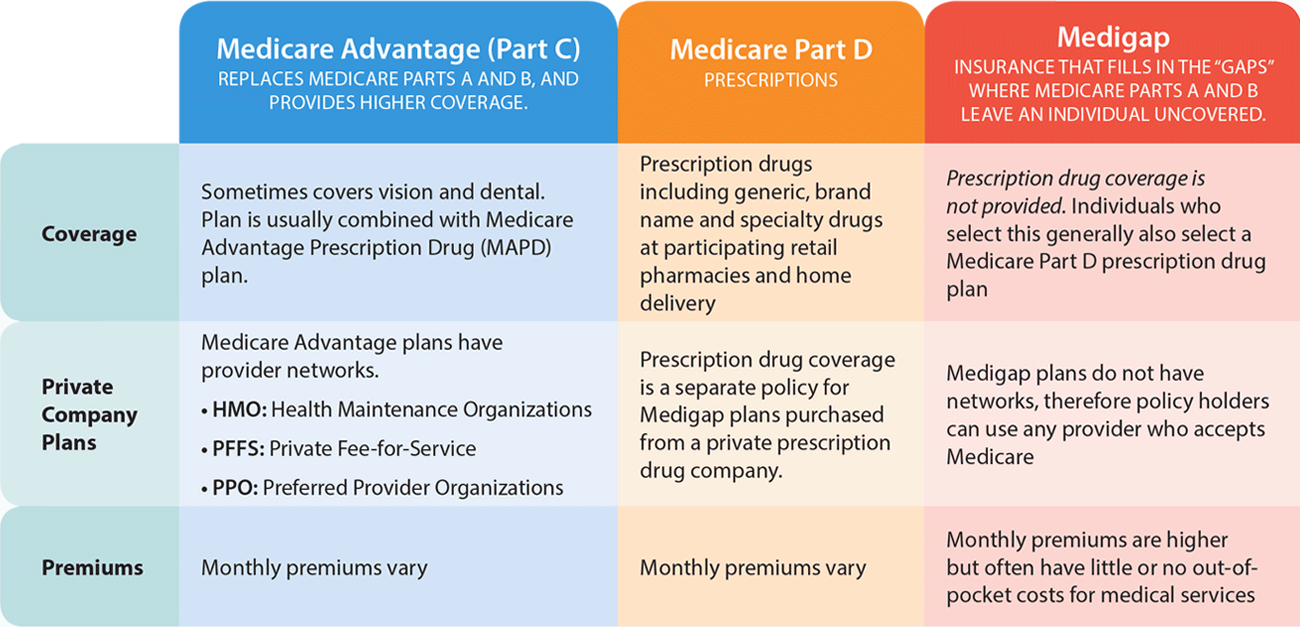
    Medicare Advantage (Part C) — YES, Many Plans Cover Hearing Aids

    Image
    Image

    In 2026, most Medicare Advantage plans offer:

    • Partial or full cost coverage of hearing aids
    • Annual or once-in-two-year benefits
    • Discounts through approved hearing aid networks
    • Coverage for exams, fitting, and follow-ups

    However, coverage depends on the plan — each insurer chooses:

    • Which hearing aids are covered
    • How much they reimburse
    • Which brands are approved
    • Which clinics are in-network

    1. Hearing Aids Commonly Covered by Medicare Advantage (2026)

    Medicare Advantage plans usually cover mid to advanced digital hearing aids from approved brands.
    Eligible models vary by insurer, but generally include:

    Commonly Covered Brands

    • Phonak
    • Starkey
    • ReSound
    • Signia
    • Widex
    • Oticon
    • Philips HearLink

    Features Usually Included

    • Rechargeable batteries
    • Bluetooth streaming
    • Directional microphones
    • Noise reduction
    • App control
    • Professional fitting

    Hearing Aid Types Covered

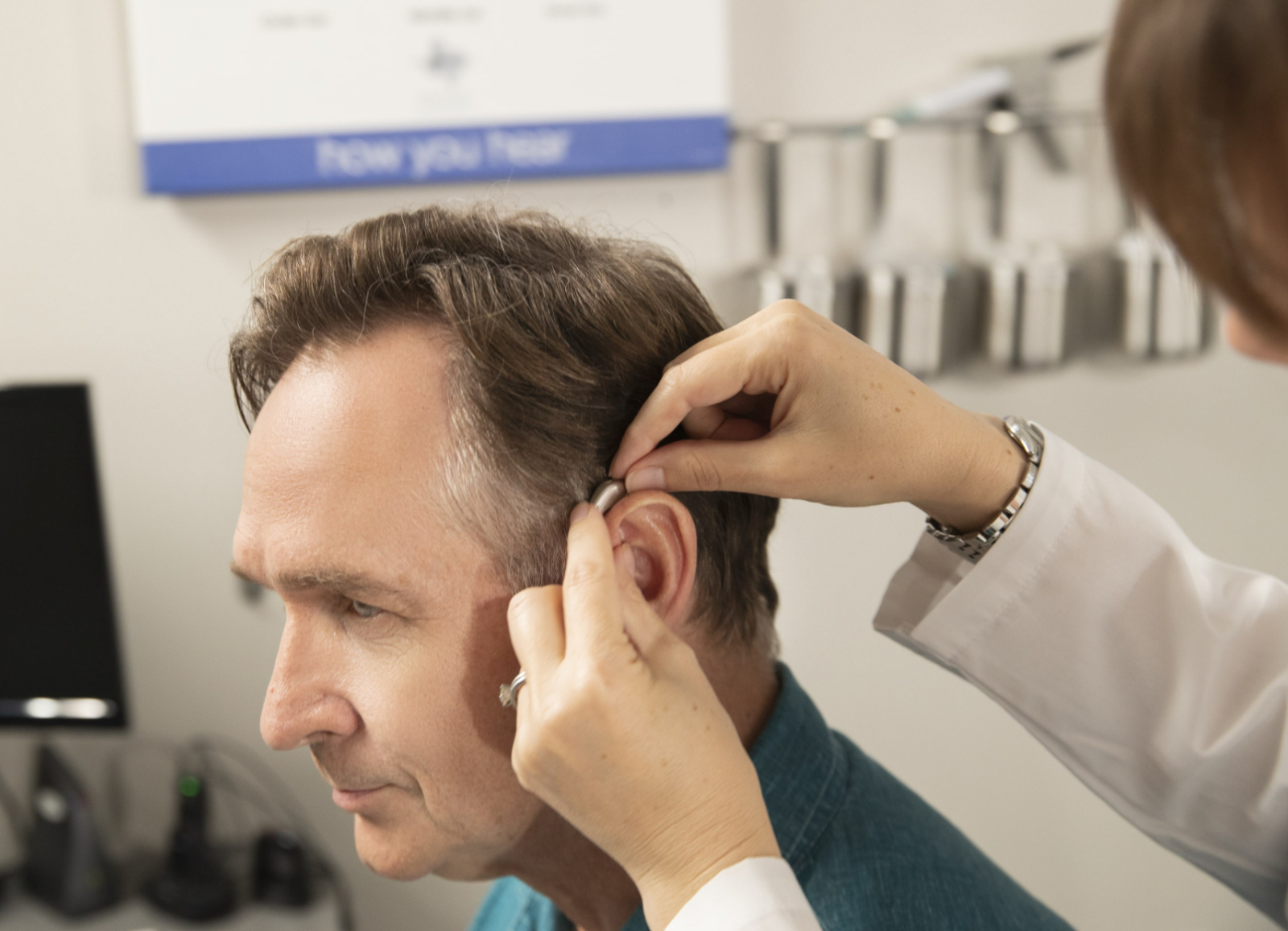
    • RIC/RIE (Receiver-in-Canal)
    • BTE (Behind-the-Ear)
    • ITE/ITC (In-the-Ear)
    • CIC (Completely-in-Canal) — sometimes covered
    • Over-the-counter (OTC) hearing aids — covered by some plans

    2. Hearing Aids NOT Covered by Medicare (2026)

    • Luxury or non-approved brands
    • Imported, unregistered devices
    • Personal sound amplifiers (PSAPs)
    • Cosmetic-only invisible aids without clinical need
    • Self-fit OTC devices (unless plan explicitly includes them)

    3. Medicare Advantage Hearing Aid Coverage — 2026 Breakdown

    Here’s a general overview of what most plans offer:

    Coverage Amounts

    • ₹40,000 – ₹2,50,000 per ear (depending on plan)
    • Some plans offer 100% coverage for basic models
    • Premium models often require co-pay or cost-sharing

    Frequency of Coverage

    • Once every year or
    • Once every 2–3 years

    In-Network Requirements

    Many plans only cover hearing aids purchased from:

    • Authorised providers
    • Contracted audiology clinics
    • National hearing networks (e.g., TruHearing, Amplifon Hearing Health Care, NationsHearing)

    Additional Services Covered

    • Hearing examinations
    • Real-ear measurement
    • Follow-up adjustments
    • Warranties (1–3 years)
    • Repairs and loss protection (varies)

    4. Comparison Table — Medicare Hearing Aid Coverage (2026)

    Coverage TypeOriginal Medicare (A/B)Medicare Advantage (C)OTC Hearing Aids
    Hearing Aid Devices Not covered Partially or fully covered Sometimes covered
    Hearing Test Covered (medical need) Covered Not covered
    Fitting & Programming Not covered Usually covered Not included
    BrandsPhonak, Signia, Oticon, etc.Limited
    Frequency1–2 yearsAnytime (self-pay)
    Cost to User100% out-of-pocketCopay or partial paymentFull cost

    5. How to Find Out Which Hearing Aids YOUR Medicare Plan Covers

    To avoid unexpected costs, always check:

    Step-by-step:

    1. Look at your Medicare Advantage plan’s Evidence of Coverage (EOC)
    2. Check “Hearing Benefits” or “Supplemental Benefits” section
    3. Confirm approved providers and in-network clinics
    4. Verify annual limits
    5. Ask the provider for pre-authorization
    6. Compare plan benefits using Medicare.gov

    6. Medicare Coverage for OTC Hearing Aids (2026)

    Some Medicare Advantage plans now cover selected OTC models such as:

    • Sony OTC
    • Jabra Enhance
    • Bose SoundControl

    Coverage is usually ₹5,000 – ₹40,000, depending on plan allowances.


    7. How to Save Money on Hearing Aids with Medicare

    Choose an in-network provider

    Reduces copays and ensures coverage.

    Use Medicare Advantage special deals

    Many plans offer ₹20,000 – ₹1,50,000 per ear as yearly coverage.

    Pick mid-range technology

    Best balance of performance & cost.

    Ask for annual allowances

    Check for:

    • Trial periods
    • Loss/damage replacement
    • Free batteries or charger

    8. Best Hearing Aids Typically Covered by Medicare (2026)

    Here are the devices most commonly approved across Medicare Advantage networks:

    Phonak Audeo Lumity / Paradise

    Great speech clarity + universal Bluetooth.

    Signia Pure Charge&Go AX / IX

    AI-based speech processing, rechargeability.

    Oticon Real / Intent

    Natural sound with deep neural network processing.

    Widex Moment

    Clean sound, tinnitus-relief programs.

    ReSound Omnia / Nexia

    Excellent connectivity, M&RIE microphone.


    9. FAQ — Medicare Hearing Aid Coverage 2026

    Q1. Does Medicare Part B cover hearing aids?

    No. Part B only covers medically-needed hearing tests.

    Q2. Are hearing aid batteries covered?

    Only some Medicare Advantage plans include free batteries or chargers.

    Q3. Does Medicare cover the hearing test?

    Yes, if ordered by a doctor to diagnose a medical condition.

    Q4. How often can I get hearing aids under Medicare Advantage?

    Usually once every 1–2 years, depending on the plan.

    Q5. Can I buy online and still get Medicare coverage?

    Only if the device is purchased through an approved provider or network.

    Q6. Does Medicare cover cochlear implants?

    Yes — cochlear implants are considered medically necessary.


    Conclusion

    Medicare’s hearing aid coverage improved significantly through Medicare Advantage (Part C), while Original Medicare still does not cover devices.
    To get the most value in 2026:

    • Choose a Medicare Advantage plan with strong hearing benefits
    • Use in-network audiology providers
    • Select covered brands like Phonak, Signia, Oticon, Widex, ReSound
    • Know your annual allowances and coverage limits

  • Where to Buy Hearing Aids Near Me: Local Stores, Audiologists & Best Prices

    Where to Buy Hearing Aids Near Me: Local Stores, Audiologists & Best Prices

    Finding the right place to buy hearing aids is just as important as choosing the device itself. A good hearing aid requires proper testing, expert fitting, fine-tuning, after-sales service, and warranty protection — all of which depend on where you buy it.

    This guide covers the best places to buy hearing aids near you, including local stores, audiologists, price ranges, and key things to check before purchasing.


    1. Why Buying Hearing Aids “Near Me” Is Important

    Buying a hearing aid is not a one-time purchase. You need ongoing support such as:

    • Hearing test
    • Programming & fitting
    • Free trials
    • Repairs & cleaning
    • Warranty claims
    • Follow-up tune-ups

    These services are best handled by local hearing aid centres and certified audiologists.


    2. Best Places to Buy Hearing Aids Near You

    Image

    Below are the safest and most reliable options.


    A) Local Hearing Aid Centres (Most Recommended)

    These centres offer complete hearing care services.

    They provide:

    • Pure Tone Audiometry (PTA)
    • Speech testing
    • Free trial of hearing aids
    • Rechargeable & Bluetooth models
    • 2–5 years warranty
    • Cleaning, service, and repairs

    Best for: Seniors, first-time users, people who need expert guidance.


    B) Certified Audiologists & ENT Clinics

    An audiologist is trained to diagnose and treat hearing issues.

    Advantages:

    • Accurate hearing test
    • Expert fitting
    • Correct device recommendation
    • Custom ear-mould options

    C) Brand-Authorized Stores

    Brands have exclusive showrooms for genuine products.

    Most popular brand outlets include:

    • Signia
    • Phonak
    • Widex
    • ReSound
    • Oticon

    They offer:

    • Free trial
    • Brand warranty
    • Replacement options
    • High-end premium models

    D) Home Visit Hearing Aid Services

    Perfect for seniors or those with mobility issues.

    They offer:

    • At-home hearing test
    • Home trial of models
    • Fitting at your doorstep

    E) Online Hearing Aid Stores (Use Caution)

    Buying online is possible, but only through verified clinics or brand-authorized sellers.

    Avoid cheap devices from general marketplaces — they often lack:

    • Programming
    • Warranty
    • Service support

    3. Best Search Keywords to Find Hearing Aids Near You

    To find the nearest centres, use these keywords:

    • hearing aid centre near me
    • hearing aid shop near me
    • digital hearing aid near me
    • hearing test near me
    • audiologist near me
    • Signia / Phonak store near me
    • hearing aid clinic in your city

    These keywords trigger Google Maps local results, helping you find trusted providers.


    4. Hearing Aid Prices in India (2026 Update)

    CategoryPrice Range (₹)Suitable ForPopular Models
    Basic Digital15,000 – 30,000Mild lossSignia Prompt, Widex Magnify
    Rechargeable Mid-Range40,000 – 90,000Mild–ModerateSignia 2IX, Phonak L30
    Premium Digital1,00,000 – 1,80,000Moderate–SevereWidex Moment, ReSound Key
    AI-Based High-End1,90,000 – 3,90,000All lossesSignia 7IX, Oticon Intent, Phonak Lumity

    5. Checklist Before Choosing a Hearing Aid Shop Near You

    Make sure the centre provides:

    Certified Audiologist (BASLP / MASLP)

    Non-certified sellers should be avoided.

    Free Hearing Test & Consultation

    Free Trial of 2–3 Hearing Aid Models

    Real Ear Measurement (REM)

    This ensures accurate fitting.

    Warranty (Minimum 2 Years)

    Home Visit Option for Seniors

    Service & Repair Support


    6. Local Store vs Audiologist vs Online – Full Comparison

    FeatureLocal StoreAudiologist ClinicOnline
    Professional Hearing Test✓✓✓
    Real Ear Measurement (REM)✓✓✓
    Free TrialRare
    Warranty Support✓✓✓Uncertain
    After-Sales Service✓✓✓
    Best for Seniors✓✓✓
    PriceModerateModerateLow (but risky)

    Final verdict:
    Audiologist clinics and hearing aid centres are the safest and most effective options.


    7. Can You Buy Hearing Aids Online Near You?

    Yes, but only from:

    • Brand-certified online stores
    • Audiology clinics with home delivery
    • Authorized dealers

    Avoid:

    Amazon, Flipkart, Meesho — these usually sell sound amplifiers, not real hearing aids.


    FAQs

    1. Where can I buy the best hearing aids near me?

    You can buy them from a local hearing aid centre, certified audiologist, or a brand-authorized store.

    2. Should I buy hearing aids online?

    Yes, but only from verified audiology clinics that offer testing + fitting + warranty.

    3. How much do hearing aids cost near me?

    Prices range from ₹15,000 to ₹3,90,000, depending on brand and technology.

    4. Do I need a hearing test before buying?

    Yes. Every hearing aid must be programmed according to a hearing test report.

    5. Which hearing aid brand is best near me?

    Top brands include Signia, Phonak, Widex, Oticon, ReSound.

    6. How do I find a hearing aid centre nearby?

    Search Google Maps for “hearing aid centre near me” or “audiologist near me”.

    7. Can hearing aids be fitted at home?

    Yes. Many centres offer home visit hearing tests + home fitting.


    Conclusion

    Buying hearing aids near you ensures:

    • Better testing
    • Accurate fitting
    • Reliable support
    • Genuine warranty
    • Long-term satisfaction

    Always choose a certified audiologist or hearing aid centre instead of random online sellers. This guarantees the best sound quality, comfort, and long-term value.


  • Why Hearing Aids Are Important: 10 Life-Changing Benefits You Need to Know

    Why Hearing Aids Are Important: 10 Life-Changing Benefits You Need to Know

    Hearing loss is one of the most common yet most ignored health problems globally. Many people assume hearing loss is “normal with age,” but untreated hearing issues can silently affect your brain, relationships, safety, and overall quality of life.

    Modern hearing aids are advanced, smart, comfortable, and almost invisible—designed to restore clarity, confidence, and connection. If you’re wondering why hearing aids are important, here are 10 life-changing benefits you must know.

    1. Clearer Hearing & Better Speech Understanding

    Difficulty hearing conversations is the earliest sign of hearing loss.
    Hearing aids help by:

    • Enhancing speech clarity
    • Reducing background noise
    • Helping you hear soft and distant voices
    • Supporting you in busy places like markets or restaurants

    Result: Smooth, effortless communication in all environments.

    2. Protects Your Brain Health

    Researchers say untreated hearing loss can increase cognitive decline. When your ears don’t send clear signals, your brain works harder, causing fatigue and memory issues.

    Hearing aids help by:

    • Stimulating the brain
    • Improving memory
    • Reducing listening effort
    • Lowering risk of dementia

    3. Strengthens Personal & Professional Relationships

    Mishearing loved ones can lead to frustration and emotional distance.

    Hearing aids help you:

    • Stay fully involved in conversations
    • Avoid misunderstandings
    • Build deeper connections
    • Improve communication at home and work

    4. Enhances Safety & Awareness

    Hearing loss makes it harder to detect important sounds.

    Hearing aids help you hear:

    • Car horns
    • Doorbells
    • Emergency alarms
    • Someone calling your name
    • Footsteps or warning sounds

    This dramatically improves your personal safety indoors and outdoors.


    5. Boosts Confidence & Reduces Social Anxiety

    When you hear clearly, you feel more confident.

    Hearing aids help:

    • Reduce hesitation in conversations
    • Improve participation in meetings
    • Make social events enjoyable
    • Eliminate embarrassment of mishearing

    6. Improves Job Performance & Career Growth

    Clear hearing is essential for:

    • Meetings
    • Client calls
    • Team discussions
    • Presentations

    With hearing aids:

    • Productivity increases
    • You make fewer communication errors
    • You look more professional
    • You stay competitive in your career

    7. Reduces Tinnitus (Ear Ringing)

    Hearing aids often include tinnitus masking therapy.

    Benefits:

    • Reduces ringing/buzzing
    • Provides soothing sound therapy
    • Helps you sleep better
    • Reduces stress

    8. Better Enjoyment of Entertainment

    Whether it’s TV, music, or movies—hearing aids enhance your entertainment.

    You can enjoy:

    • Clearer TV dialogue
    • Richer music quality
    • Direct Bluetooth streaming from phone, TV, or laptop

    9. Keeps You Socially Active

    Hearing loss often leads to isolation.
    Hearing aids help you rejoin:

    • Parties
    • Family functions
    • Social gatherings
    • Group discussions

    They make you active, engaged, and confident.


    10. Improves Overall Quality of Life

    People using hearing aids report:

    • Better mood
    • Less stress
    • Improved sleep
    • Higher independence
    • More happiness overall

    Hearing aids don’t just improve hearing—they improve life.


    Comparison Table: Life With vs Without Hearing Aids

    Life AspectWithout Hearing AidsWith Hearing Aids
    Speech clarityMisunderstanding, asking to repeatClear, easy communication
    Brain healthHigher mental fatigueBetter cognitive ability
    SafetyMiss alarms/sirensImproved environmental awareness
    ConfidenceLow in social situationsHigh confidence
    Work performanceErrors, stressProductivity boost
    TinnitusRinging persistsRelief with masking
    Social lifeAvoid gatheringsActive social presence
    EntertainmentLoud TV, unclear soundClear and enjoyable
    Emotional well-beingStress & frustrationHappiness & comfort
    Quality of lifeReducedEnhanced significantly

    FAQs

    1. Why are hearing aids important?

    Hearing aids improve speech clarity, protect brain health, enhance safety, and improve overall quality of life.

    2. Who needs hearing aids?

    If you struggle to hear conversations, TV, or experience tinnitus, you may need hearing aids.

    3. Can hearing aids fully restore hearing?

    No, but they dramatically improve hearing clarity and comfort.

    4. Are modern hearing aids visible?

    Most modern models are tiny, lightweight, and nearly invisible.

    5. Do hearing aids help with tinnitus?

    Yes, many hearing aids provide tinnitus therapy and reduce ringing.

    6. Are hearing aids expensive?

    They come in various price ranges depending on features, technology, and brand.

    7. How long do hearing aids last?

    Generally 4–6 years, depending on care and technology.